Theme: The Teaching King and the Crisis of Confrontation
1. Overview
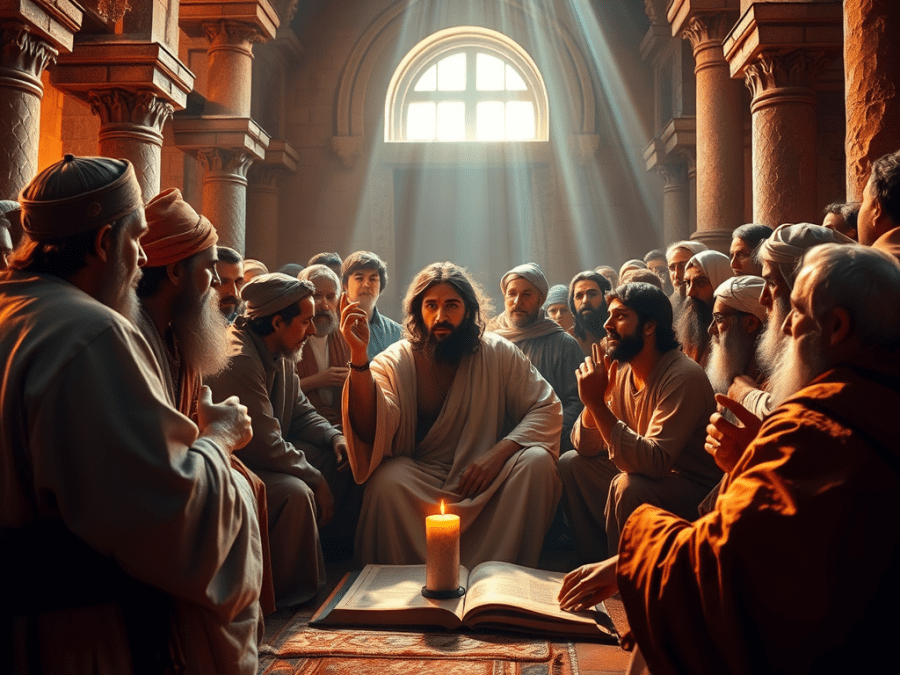
Holy Tuesday is the most intellectually and spiritually intense day of Holy Week. Jesus spends the day teaching in the Temple, confronting religious leaders, revealing the heart of God’s kingdom, and preparing His disciples for the future. It is a day of parables, debates, warnings, and prophetic vision.
If Monday exposes fruitlessness, Tuesday exposes motives.
If Monday cleanses the Temple, Tuesday cleanses the heart.
2. Primary Scriptures
Please read:
- Matthew 21:23–25:46
- Mark 11:20–13:37
- Luke 20:1–21:38
These chapters contain:
- The authority debates
- Parables of judgement
- Questions from Pharisees, Sadducees, and Herodians
- The “woes” against the Pharisees
- The widow’s offering
- The Olivet Discourse (teachings on the end of the age)
3. Narrative Flow of the Day
A. The Withered Fig Tree (Morning)
The disciples see the fig tree now fully withered. Jesus teaches on faith, prayer, and forgiveness—linking spiritual fruitfulness to trust and mercy.
B. Jesus’ Authority Challenged
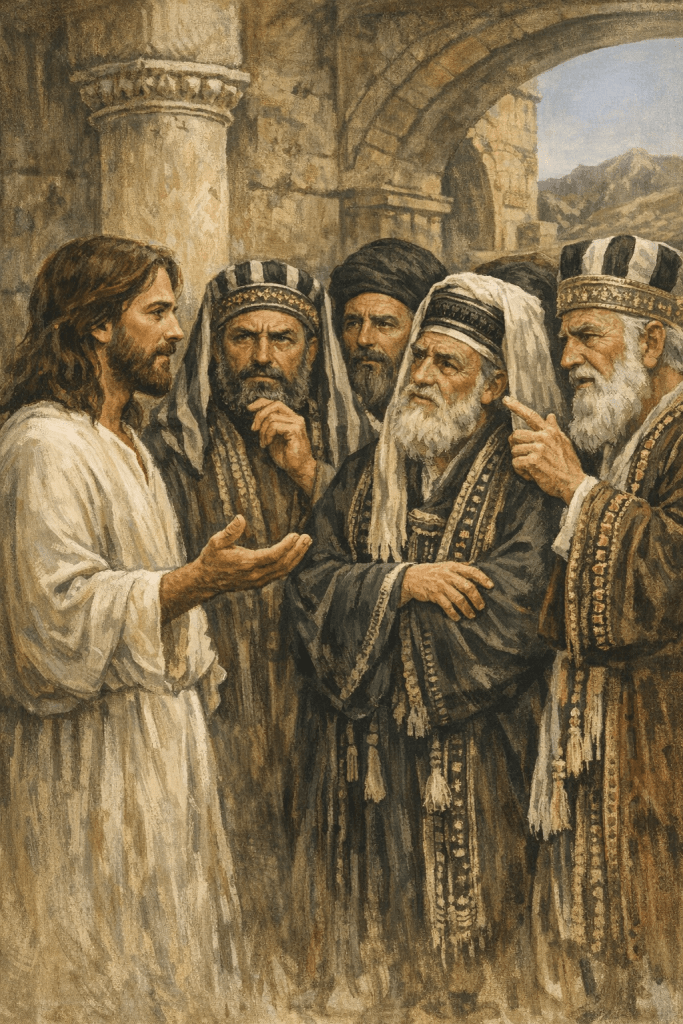
Religious leaders demand to know by what authority He acts. Jesus exposes their political calculations by asking about John’s baptism.
C. Parables of Judgement
Jesus tells three parables aimed at Israel’s leaders:
- The Two Sons — obedience vs. lip service
- The Wicked Tenants — rejection of God’s messengers
- The Wedding Banquet — the tragedy of refusing God’s invitation
D. A Series of Trap Questions
Different groups attempt to ensnare Him:
- Herodians: Taxes to Caesar
- Sadducees: Resurrection and marriage
- Pharisees: The greatest commandment
Jesus answers each with divine wisdom.
E. Jesus Questions Them
He asks about the identity of the Messiah—David’s son yet David’s Lord.
F. The Seven Woes
A devastating critique of hypocrisy, spiritual blindness, and misplaced priorities.
G. The Widow’s Offering
A quiet moment of pure devotion amid religious showmanship.
H. The Olivet Discourse (Evening)
Jesus leaves the Temple for the last time and speaks on:
- The destruction of Jerusalem
- The signs of the age
- Watchfulness and readiness
- Parables of stewardship and judgement (Ten Virgins, Talents, Sheep & Goats)
4. Historical & Cultural Background
A. The Temple as a Teaching Arena
During Passover, rabbis taught publicly in the Temple courts. Jesus’ teaching here is a direct claim to authority.
B. The Groups Opposing Jesus
- Pharisees: guardians of oral law
- Sadducees: priestly aristocracy, denied resurrection
- Herodians: political supporters of Herod
- Scribes: legal experts
Their unity against Jesus is remarkable—they normally opposed one another.
C. The Widow’s Offering
Temple giving was public. Wealthy donors made a show of generosity. The widow’s two coins were worth almost nothing economically but everything spiritually.
D. The Olivet Discourse
Jesus uses prophetic language familiar from Daniel, Isaiah, and Zechariah. His words blend near-term events (AD 70) with long-term eschatological hope.
5. Voices from the Church
Patristic
- Origen: The parables reveal the “inner Temple” of the heart.
- Chrysostom: The woes are spoken in tears, not rage.
- Augustine: The widow’s offering is the measure of love, not wealth.
Reformation
- Calvin: The trap questions reveal the blindness of human pride.
- Luther: The greatest commandment is the heart of Christian freedom.
- Melanchthon: The Olivet Discourse calls believers to sober hope.
6. Theological Themes
A. The Authority of Jesus
He teaches with divine authority, not as the scribes.
His authority is:
- Moral
- Prophetic
- Messianic
- Eschatological
B. The Danger of Hypocrisy
The woes expose:
- Performative religion
- Misplaced priorities
- Spiritual blindness
- Burdensome legalism
- Self-exaltation
C. The Heart of the Law
Love God.
Love neighbour.
Everything else hangs on this.
D. Watchfulness and Readiness
The parables of the Virgins, Talents, and Sheep & Goats emphasise:
- Faithfulness
- Compassion
- Stewardship
- Perseverance
- Accountability
E. The Coming Kingdom
Jesus speaks of:
- Judgement
- Renewal
- Hope
- The triumph of God’s purposes
7. Pastoral Application
For the Church
- Are we more concerned with appearance than substance?
- Do our ministries reflect the greatest commandment?
- Are we preparing people for Christ’s return or merely for church activity?
For Personal Discipleship
- Am I living watchfully or drifting spiritually?
- Do I love God with my whole heart?
- Do I love my neighbour in practical ways?
For Leadership
- Are we shepherds or gatekeepers?
- Do we burden people or liberate them?
- Are we cultivating humility or self-importance?
8. Spiritual Practices for Holy Tuesday
A. The Great Commandment Meditation
Sit with Matthew 22:37–40.
Ask:
- What competes with my love for God?
- Who is the neighbour I am avoiding?
B. Confession of Hypocrisy
Invite the Spirit to reveal:
- Hidden pride
- Double standards
- Performative spirituality
- Judgemental attitudes
C. Watchfulness Exercise
Reflect on:
- What distracts me from Christ?
- What spiritual practices keep me awake and alert?
D. A Quiet Act of Generosity
Follow the widow’s example:
- Give secretly
- Give sacrificially
- Give joyfully
9. Group Discussion Questions
- Which of Jesus’ Tuesday teachings feels most urgent for the church today?
- Why is hypocrisy so spiritually dangerous?
- How do we cultivate love for God and neighbour in practical ways?
- What does faithful watchfulness look like in a distracted age?
- How do the parables of judgement challenge our assumptions about discipleship?
10. Closing Prayer
Lord Jesus,
You are the Teacher of truth, the Light of the world, and the Shepherd of our souls.
On this Holy Tuesday, open our hearts to Your word.
Expose what is false, heal what is wounded, and strengthen what is weak.
Teach us to love You with all our heart, soul, mind, and strength,
and to love our neighbour with Your compassion.
Make us watchful, faithful, and ready for Your coming kingdom.
Amen.
If this is exactly the depth and tone you want, I’ll continue with Holy Wednesday — The Day of Shadows next.
Discover more from Joseph R. Mason
Subscribe to get the latest posts sent to your email.
